“The role of the amylase enzyme in controlling staling and increasing bread volume
Uzbay.ir
Uncategorized
Introduction
Bread is one of the most essential daily foods in most countries, and its quality is directly linked to flour properties and dough formulation. One of the major challenges in the baking industry is premature staling and low bread volume, which significantly affect product quality, shelf life, and consumer acceptance. As a natural improver, the amylase enzyme plays a vital role in enhancing dough performance, increasing bread volume, delaying staling, and improving crust color.
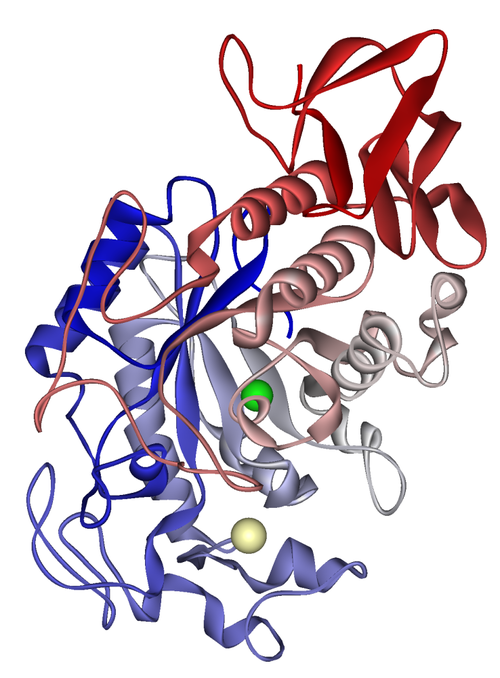
Structure and Function of Amylase
Amylase is a hydrolytic enzyme that breaks down starch into simpler sugars such as maltose. These sugars serve as a nutritional source for yeast during fermentation.
Types of Amylase
Alpha-amylase (α-amylase): Random cleavage of α-1,4 bonds in starch molecules
Beta-amylase (β-amylase): Produces maltose from the ends of starch chains
Maltogenic amylase: Generates more complex sugars to delay bread staling
Mechanism of Action
Accelerates fermentation through improved yeast nutrition
Produces more gas and increases dough volume
Enhances the golden color of the bread crust
Reduces starch damage
Delays starch retrogradation, the main cause of staling
Effect of Amylase on Bread Staling
Bread staling is a physicochemical process involving starch recrystallization and moisture loss. Amylase, particularly the maltogenic type, significantly delays this process by generating stable sugar linkages.
Benefits of Using Amylase in Staling Control
Extends bread shelf life up to twofold
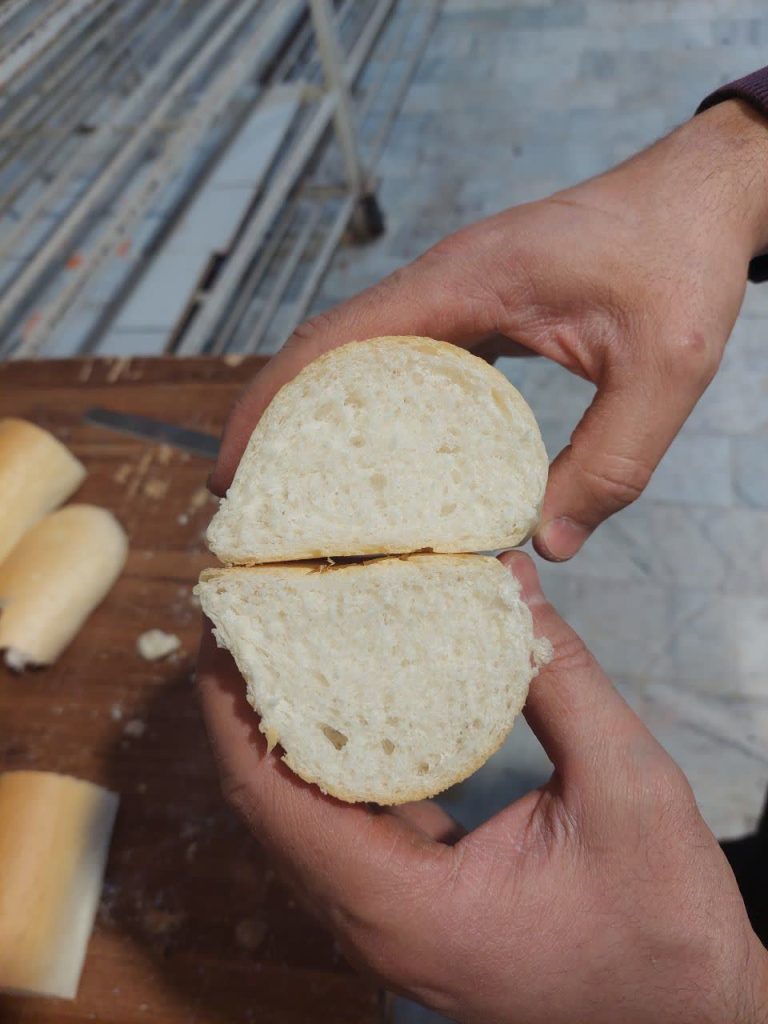
Preserves crumb softness and moisture
Reduces waste caused by bread returns
Enhances sensory quality in consumer tests
Role of Amylase in Increasing Bread Volume
The use of appropriate amylase ensures better yeast nutrition, greater gas production, improved gluten network development, and ultimately an increase in final bread volume. This effect is particularly important in large breads such as toast, baguette, and specialty varieties.
Comparative Table of Amylase Types
Type of Amylase
Main Function
Effect on Bread Volume
Effect on Staling
Recommended Dosage (ppm)
Alpha-amylase
Breaks down starch into maltose
High
Medium
5–20
Maltogenic amylase
Produces more complex sugars
Medium
High
5–10
Diastase
Reduces Falling Number
High
Low
10–30
Experimental Trials and Performance Evaluation
In baking trials with 8 ppm of alpha-amylase, a 15–25% increase in bread volume was observed. Sensory tests also demonstrated that breads containing amylase had softer crumb texture, more golden crust color, and extended freshness.
Relevant Rheological Testing Equipment
Farinograph: Evaluates dough stability
Alveograph: Measures gluten strength and extensibility
Falling Number: Indicator of amylase activity
Industrial Usage Guidelines and Considerations
Analyze flour quality to determine amylase requirements
Select the appropriate type based on bread variety and production line
Conduct pilot baking tests to adjust precise dosage
Combine with complementary enzymes such as glucose oxidase and protease for enhanced performance
Keywords:
Alpha-amylase, Maltogenic amylase, Bread staling control, Bread volume improvement, Damaged starch, Farinograph test, Falling Number of flour, Professional dough-making
Conclusion
The targeted use of amylase in bread formulation is a smart strategy for enhancing the quality of the final product. This enzyme not only increases bread volume but also improves fermentation performance and controls the staling process, thereby elevating both the economic and nutritional value of the product. Companies such as Uzbay can drive innovation and standardization in the Iranian baking industry by incorporating suitable amylase into their specialized improvers.